Pennsylvania's Vape Ban Is Now in Effect, and a Federal Hemp THC Ban Is Next
What Act 57's ENDS Directory means for Pennsylvania retailers, and what the federal hemp redefinition means for THC products starting this November and December
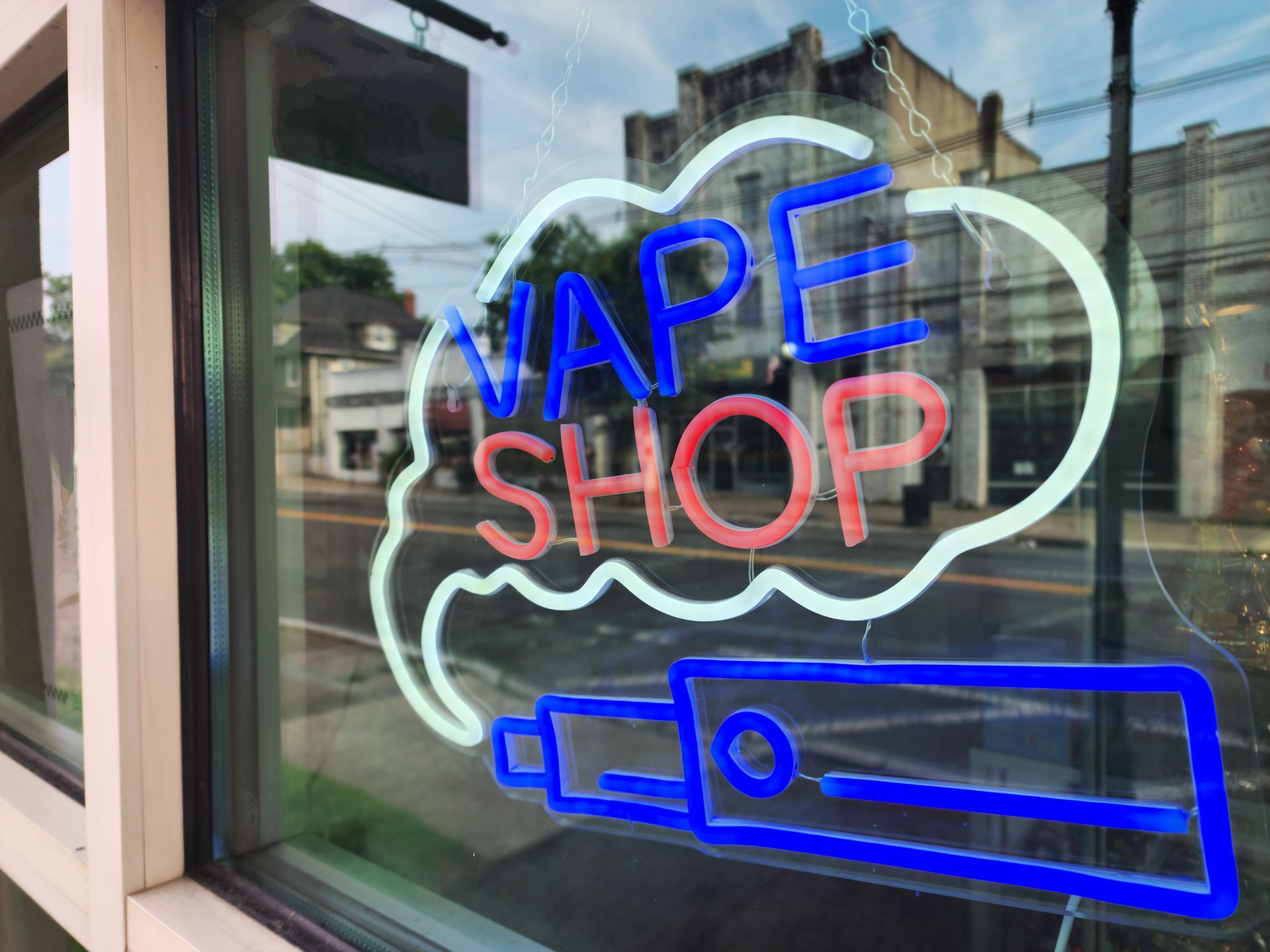
Two major changes are reshaping what can legally be sold in Pennsylvania's vape and smoke shops this fall. On October 19, 2026, the Pennsylvania Office of Attorney General began enforcing the state's new electronic nicotine delivery system (ENDS) Directory, which effectively bans the sale of most nicotine vapes in the Commonwealth. Close behind it, a change in federal law will reclassify most intoxicating hemp-derived THC products as marijuana, with the first piece taking effect November 12, 2026 and the rest on December 11, 2026. If you own, operate, supply, or work in a business that sells these products, here is what you need to know.
Part 1: Pennsylvania's Vape Ban (Act 57 of 2025)
What the law does
Act 57 of 2025, signed by Governor Shapiro, amended Pennsylvania's Tax Reform Code (72 P.S. § 206-I) to create a directory of approved electronic nicotine delivery products, maintained by the Office of Attorney General. The rule is simple: if a nicotine vape product is not listed in the ENDS Directory, it cannot legally be sold, offered for sale, or possessed for sale in Pennsylvania.
To be listed, a manufacturer must certify its products with the Attorney General and show that each product either (1) has an FDA marketing granted order, (2) is the subject of a timely filed premarket tobacco product application (PMTA) that is still under FDA review (or whose denial has been stayed or vacated), or (3) is a minor name, style, or packaging change to an already-authorized product. Manufacturers must also pay certification fees, post a surety bond, and renew annually.
Key dates
- Through October 18, 2026: Wholesalers could hold off-directory products in inventory but could not sell them to Pennsylvania retailers. Retailers were expected to clear unlisted inventory intended for sale.
- October 19, 2026: Enforcement began. Any unlisted product that is sold, offered for sale, or possessed for sale is subject to seizure.
- April 21 of each year: Manufacturers' annual renewal deadline.
What is still legal to sell
Because very few vape products have FDA authorization or a qualifying pending application, the directory is short. As reported by the Philadelphia Inquirer, only six manufacturers were approved as of early October, including Juul Labs, NJOY, and R.J. Reynolds Vapor Co. (Vuse). Most of the approved pod products come only in tobacco or menthol flavors. The vast majority of flavored disposables, e-liquids, and refillable products commonly found in Pennsylvania shops are no longer legal to sell. Because the directory can change, retailers should check the Attorney General's current ENDS Directory before every order rather than relying on any list in a news article or this post.
Penalties for retailers, wholesalers, and importers
- First violation: $500 per off-directory product.
- Second violation within 12 months: $750 to $1,000 per day, per product, plus a license suspension of at least 14 days.
- Third violation within 12 months: $1,000 to $1,500 per day, per product, plus license revocation.
- Seizure costs: Violators are also liable for the cost of seizing, storing, and destroying products, which can exceed the civil penalty itself.
Manufacturers face a $1,000 penalty per off-directory product offered for sale, and false statements in a certification are a third-degree misdemeanor. Businesses with three or more violations in 12 months are placed on a public noncompliance database, and buying from or selling to a listed violator carries its own $500-per-product penalty.
What about consumers?
The Directory law is aimed at the supply chain, not individual adult users. According to the Attorney General's guidance, bona fide consumer purchases from a listed source are exempt from penalties and seizure. However, a consumer who resells products can be treated as a "retailer" under the law, and providing any of these products to anyone under 21 remains a crime under 18 Pa.C.S. § 6305.
Part 2: The Coming Federal THC Ban on Hemp Products
How federal law changed
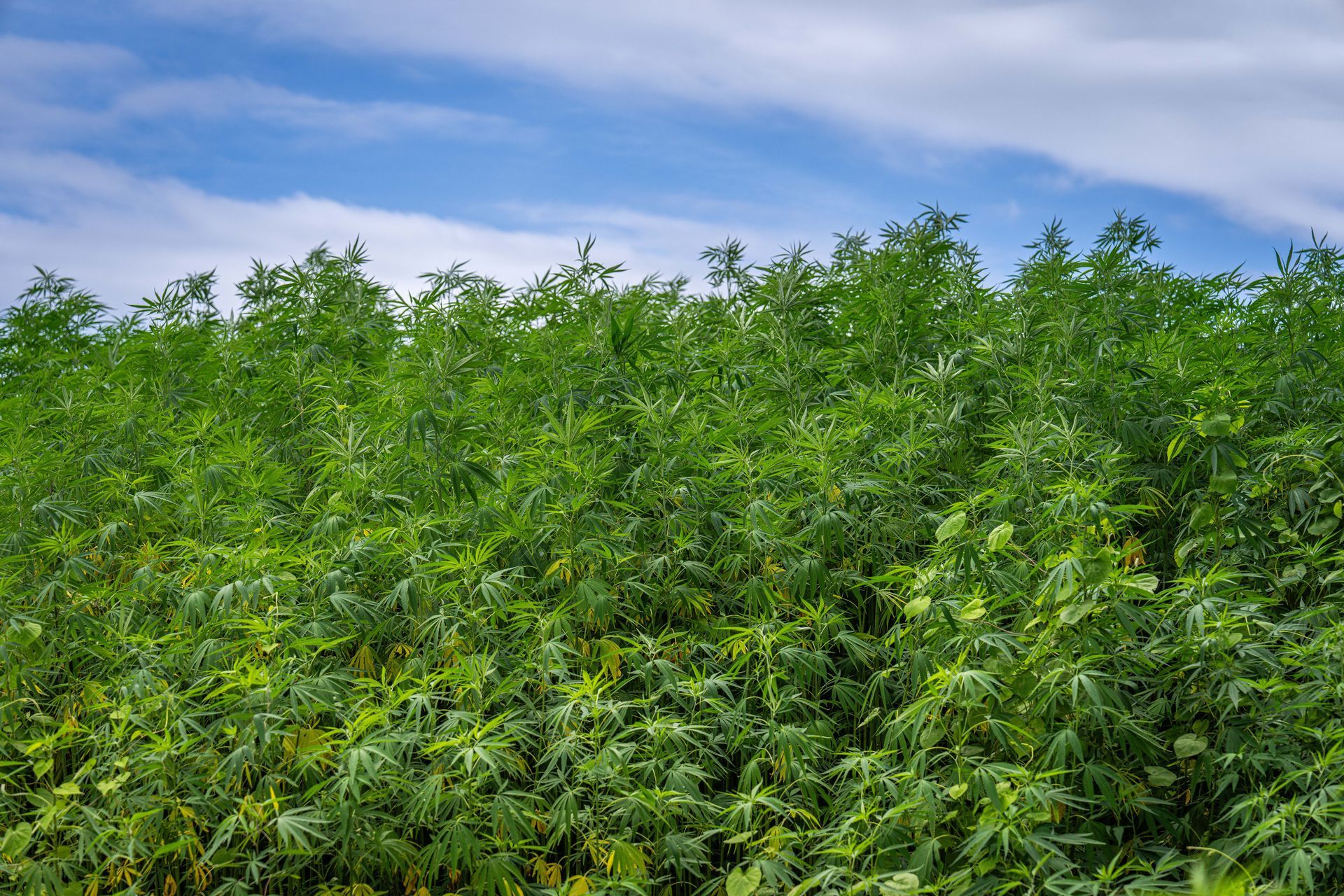
Since the 2018 Farm Bill, hemp was defined by its delta-9 THC concentration (0.3% or less by dry weight). That definition created what many called the "hemp loophole," which allowed delta-8 THC, THCA flower, hemp-derived delta-9 edibles, and THC beverages to be sold in gas stations, convenience stores, and smoke shops across the country, including in Pennsylvania.
On November 12, 2025, Congress closed that loophole. Section 781 of Division B of Public Law 119-37 (part of the bill that ended last year's government shutdown) rewrote the federal definition of hemp. Under the new definition:
- Total THC, including THCA, now counts toward the 0.3% dry-weight limit, not just delta-9 THC.
- Finished consumer products may contain no more than 0.4 milligrams of combined total THC and similar-effect cannabinoids per container. For context, a typical hemp gummy contains 5 to 10 milligrams.
- Synthetic cannabinoids are excluded, including cannabinoids the plant cannot naturally produce and naturally occurring cannabinoids that were chemically synthesized or converted outside the plant (which captures most delta-8 THC products).
Products that fall outside the new hemp definition are treated as marijuana, a Schedule I controlled substance under federal law.
When it takes effect
The new definition was originally set to take effect on November 12, 2026. On September 2, 2026, the President signed a short-term funding bill (the Continuing Appropriations and Extensions Act, 2027, P.L. 119-103) that delayed most of the change by about 30 days. As a result:
- November 12, 2026: Products containing cannabinoids that cannot be naturally produced by the cannabis plant lose federal hemp status.
- December 11, 2026: The remainder of the new definition, including the 0.4 mg per container cap and the total-THC standard, takes effect.
Several bills are pending in Congress that would delay the ban until 2028, repeal it, or replace it with a regulatory framework (including a proposal to regulate hemp THC beverages like alcohol). As of this writing, none has passed, the White House has reportedly signaled that it will not support another extension, and a coalition of 35 state and territorial attorneys general has urged Congress not to reverse the ban. Businesses should plan for the December 11 date unless and until Congress acts.
Open questions
The new law directed the FDA to publish lists of naturally occurring cannabinoids and "similar-effect" cannabinoids, and to clarify what counts as a "container." As of mid-October 2026, the FDA had not published that guidance, and the Congressional Research Service has noted that it is unclear how federal agencies will enforce the new prohibitions. That uncertainty is not a safe harbor. Once the definition changes, products over the limit are federally controlled substances, regardless of how actively they are policed.
What this means in Pennsylvania
Pennsylvania has not legalized adult-use cannabis. Its only lawful marijuana market is the state's medical marijuana program, which is limited to licensed growers, processors, and dispensaries serving registered patients. That means intoxicating hemp products that become "marijuana" under the new federal definition will have no lawful retail channel in Pennsylvania outside that program. Shops that currently sell THCA flower, delta-8 vapes, hemp-derived THC gummies, or THC drinks should expect those products to become unlawful to sell when the federal change takes effect, and should not assume that Pennsylvania law will provide cover.
Practical Steps for Pennsylvania Businesses
- Audit your nicotine inventory now. Compare every SKU against the Attorney General's current ENDS Directory, and work with the Attorney General's Tobacco Enforcement Section and the Department of Environmental Protection on proper disposal of unlisted products.
- Get supplier assurances in writing. Require wholesalers and distributors to confirm directory status, and review your contracts for indemnification, returns, and buy-back rights.
- Plan your hemp sell-through. Stop reordering products containing synthetic cannabinoids ahead of November 12 and intoxicating hemp THC products ahead of December 11, and document what you do with remaining stock.
- Protect your licenses. A tobacco or vape license suspension or revocation can threaten the entire business. Train staff on what can and cannot be sold and how to respond to an inspection.
- Talk to counsel before an inspection, seizure, or citation, not after. Penalties under the ENDS law are assessed per product and, for repeat violations, per day.
How CDM LAW Can Help
CDM LAW represents Pennsylvania business owners in regulatory compliance matters, administrative enforcement proceedings, license issues, and contract disputes with suppliers and distributors. If you have questions about the ENDS Directory, have received a notice of violation or seizure, or want to plan for the federal hemp changes, contact our Conshohocken office at (610) 994-0281 to schedule a consultation.
This post is for general informational purposes only, reflects the law as of October 22, 2026, and is not legal advice. Federal hemp legislation and Pennsylvania's ENDS Directory are both changing quickly. Reading this post does not create an attorney-client relationship.