
7-OH in Pennsylvania Smoke Shops: A Federal Schedule I Ban Is Imminent, and State Rules Are Close Behind
What the DEA's pending Schedule I order, Pennsylvania's House Bill 2657, and Philadelphia's new permit rules mean for retailers selling 7-hydroxymitragynine and kratom products
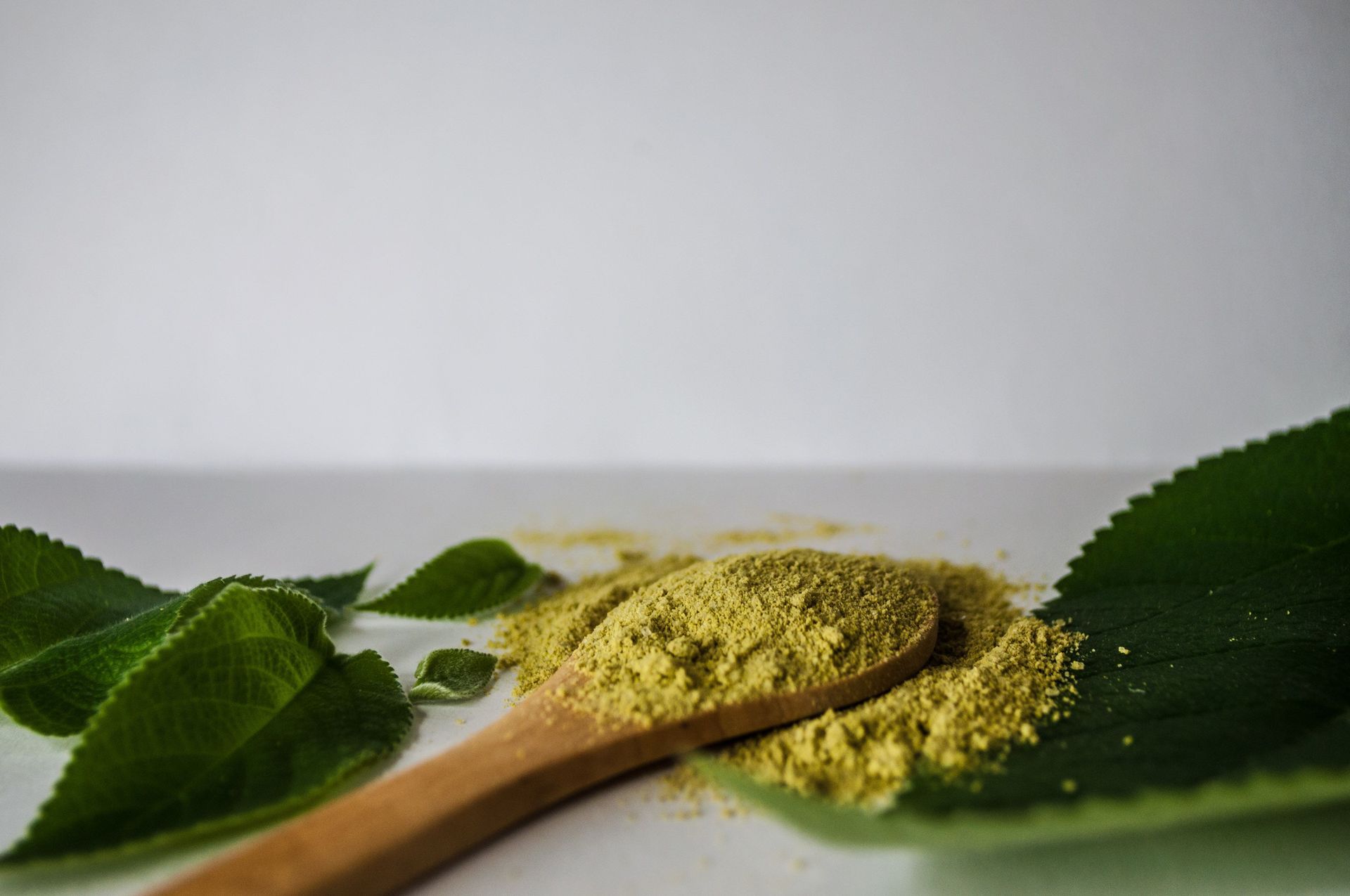
Few products have moved from the back shelf to the center of a regulatory fight as quickly as 7-OH. Sold as tablets, gummies, shots, and drink mixes in smoke shops, vape shops, and convenience stores across Pennsylvania, concentrated 7-hydroxymitragynine is now the target of a pending federal Schedule I order, a bill that unanimously passed the Pennsylvania House, a Philadelphia permit ordinance, and calls from district attorneys for emergency state action. Several of those changes could land in the next few weeks. If you own, operate, supply, or work in a Pennsylvania shop that carries 7-OH or kratom, here is where the law stands as of October 22, 2026, and what you should be doing now.
Part 1: What Is 7-OH, and Why Is It Being Targeted?
7-hydroxymitragynine (7-OH) is an alkaloid that occurs naturally in the leaves of the kratom plant (Mitragyna speciosa), but only in trace amounts. The products drawing scrutiny are different: they are concentrated or semi-synthetic preparations in which 7-OH is boosted far above anything found in the natural leaf. According to an August 19, 2026 Pennsylvania Department of Health advisory (PA-HAN #837), 7-OH is more potent than mitragynine, the main alkaloid in kratom, and acts on opioid receptors, producing opioid-like effects, tolerance, dependence, and withdrawal.
The same advisory reported fatal overdoses in Pennsylvania in which kratom or mitragynine was listed as a contributing cause: 65 in 2023, 38 in 2024, 33 in 2025 (preliminary), and 17 in 2026 through July (preliminary). The Department noted that current data cannot distinguish plant kratom from concentrated 7-OH. Those numbers, along with poison-control reports involving children, are driving action at every level of government.
Part 2: Federal Law
7-OH is not federally scheduled yet, but its close relatives already are
The federal picture has moved in several steps over the past year:
- July 2025: The FDA recommended that 7-OH be scheduled under the Controlled Substances Act (CSA).
- July 1, 2026: The DEA announced notices of intent to temporarily place 7-OH (above a concentration threshold) and three related substances in Schedule I. The original 7-OH proposal (Docket DEA-1570) used a threshold of more than 0.050% 7-OH.
- August 26, 2026: A temporary scheduling order took effect placing mitragynine pseudoindoxyl (MP), MGM-15, and MGM-16 in Schedule I, with no threshold (91 Fed. Reg. 54948). That order runs through August 26, 2028, with a possible one-year extension.
- October 14, 2026: After an October 6 recommendation from HHS, the DEA published a new notice of intent (91 Fed. Reg. 65370, Docket DEA-1570) to temporarily place 7-OH and mitragynine pseudoindoxyl above a specified threshold in Schedule I. A companion notice (91 Fed. Reg. 65382) keeps MGM-15 and MGM-16 in Schedule I without any threshold.
The new federal threshold
Under the October 14 notice, a product would be covered when 7-OH or MP, alone or combined, is present at:
- more than 1 milligram per gram for powders, capsules, tablets, and other solid forms;
- more than 1 milligram per milliliter for liquid preparations; or
- a level where the mass of mitragynine divided by the mass of 7-OH or MP is less than 100.
The ratio test is aimed squarely at "enhanced" products. Natural kratom leaf contains far more mitragynine than 7-OH, so a product that has been spiked or converted to raise its 7-OH content will usually fail the ratio test even if the per-gram number looks low. The DEA has stated that the action does not apply to botanical kratom products containing naturally occurring 7-OH below the threshold, but it has also said it does not consider below-threshold levels to be safe.
When it takes effect, and what it means for a smoke shop
The DEA says the 7-OH order will not be issued before November 13, 2026. Once it is published in the Federal Register, it takes effect immediately. There is no grace period and no sell-through window. From that moment:
- Manufacturing, distributing, selling, or possessing covered 7-OH products without a DEA Schedule I registration becomes a federal crime under the CSA, with criminal, civil, and administrative exposure.
- Retail stores cannot realistically obtain a Schedule I registration. Anyone who cannot get one must surrender covered inventory rather than sell it, return it, or ship it elsewhere.
- The order lasts two years, with a possible one-year extension while the DEA pursues permanent scheduling. Temporary scheduling orders are not subject to judicial review.
Separately, any product containing mitragynine pseudoindoxyl, MGM-15, or MGM-16 has been a Schedule I controlled substance since August 26, 2026. If any of those compounds are in your inventory today, they should not be on your shelves.
Other federal exposure
Scheduling is not the only federal risk. The FDA has never approved kratom or 7-OH for any use and has taken the position that 7-OH is not lawful in dietary supplements or food. Products marketed with health or drug claims, such as pain relief or opioid withdrawal, invite FDA enforcement. And because scheduling turns on chemical structure rather than product names, sellers of structurally similar compounds marketed for human consumption should also consider exposure under the Federal Analogue Act (21 U.S.C. § 813), where marketing materials and customer communications can be used as evidence of intended use.

Part 3: Pennsylvania Law
No statewide 7-OH statute yet, but that is not a safe harbor
As of today, Pennsylvania has not enacted a statute specifically banning 7-OH or setting a minimum age for kratom purchases. That gap is closing quickly, and retailers should not treat it as permission to keep selling high-potency products.
- State scheduling authority. Under the Controlled Substance, Drug, Device and Cosmetic Act, the Secretary of Health may reschedule a controlled substance to coincide with federal law by publishing notice in the Pennsylvania Bulletin (35 P.S. § 780-103(c)). A move to a higher schedule may not take effect earlier than 30 days after notice. In July 2026, Rep. Brenda Pugh (R-Luzerne) asked the Department of Health to prepare to act promptly once the federal order is final, and in August 2026 the district attorneys of Bucks, Chester, and Berks Counties asked Secretary Debra Bogen to schedule 7-OH on an emergency basis. Once 7-OH is a state-controlled substance, sellers face prosecution under the Act's prohibitions on manufacture, delivery, and possession with intent to deliver, in addition to any federal charges.
- The Attorney General is watching. Attorney General Dave Sunday has said his office is prepared to enforce the federal change and has urged retailers to confirm that what they sell is lawful.
- Consumer protection law still applies. Misleading health claims, missing ingredient disclosures, and products that do not match their labels can create liability under Pennsylvania's Unfair Trade Practices and Consumer Protection Law, regardless of scheduling.
House Bill 2657: the Regulation and Oversight of Kratom Act
House Bill 2657, sponsored by Rep. Bridget Kosierowski (D-Lackawanna), passed the Pennsylvania House unanimously on October 5, 2026 and is now before the Senate, which has only a handful of session days left this year. As amended and as reported, the bill would:
- Allow only natural-leaf kratom (powder or capsules) to be sold, and only by retailers registered with the state. Products containing a kratom extract would be excluded from the definition of natural kratom.
- Prohibit sales to anyone under 21.
- Ban "synthetic" kratom, defined as products with more than 0.05% 7-OH by dry weight, any mitragynine pseudoindoxyl, or a synthetic version of either. The ban would take effect 180 days after the bill becomes law.
- Make selling synthetic kratom a misdemeanor punishable by up to five years in prison and a $15,000 fine, with penalties aimed at sellers rather than individual users.
- Require child-resistant packaging that does not appeal to minors, the manufacturer's name and address, a warning that the FDA has not evaluated the product, a warning that kratom "may cause dependence and opioid-like withdrawal," and no medical claims.
- Impose a 12% tax on the retail price, with the Department of Health administering the program and the Attorney General handling enforcement.
Note the gap between the state and federal numbers. HB 2657's 0.05% dry-weight limit is stricter than the DEA's October threshold of 1 mg per gram (0.1%). If the bill becomes law in its current form, a product could fall below the federal threshold and still be illegal to sell in Pennsylvania. Other measures remain pending as well, including Senate Bill 233 (Sen. Tracy Pennycuick), which would ban kratom products with more than 2% 7-OH and cleared the Senate Health and Human Services Committee in November 2025, and House Bill 2058, which would set a 21-and-over age limit.
Local rules: Philadelphia and beyond
Municipalities are not waiting for Harrisburg. Philadelphia's permit, testing, and age requirements for kratom sellers are reported to take effect November 12, 2026, and a companion measure targets landlords who rent to shops selling kratom without a permit. Other municipalities have debated restrictions. If you operate in more than one location, check each municipality's ordinances.
Part 4: A Compliance Checklist for Pennsylvania Smoke Shops
- Pull MP, MGM-15, and MGM-16 products now. These have been Schedule I since August 26, 2026. Do not sell, return, or ship them without legal advice.
- Inventory every 7-OH and "enhanced" kratom product. Tablets, gummies, shots, and anything labeled 7-OH, "pseudo," or "advanced alkaloid" should be identified and segregated.
- Demand lot-specific certificates of analysis. You need lab results from an accredited laboratory showing 7-OH and MP in milligrams per gram (or per milliliter) and the mitragynine content needed to calculate the ratio. A supplier's label claim is not enough.
- Plan your exit before mid-November. The federal order could be published any day on or after November 13, 2026, with no sell-through period. Do not count on clearance sales after publication.
- Watch the Federal Register and the Pennsylvania Bulletin. Either could change the law overnight.
- Card everyone at 21. It is required in Philadelphia, likely coming statewide, and the right practice now.
- Clean up your marketing. Remove claims about pain, anxiety, opioid withdrawal, or "opioid alternatives" from shelf tags, social media, and staff talking points.
- Review supplier contracts. Look for representations about compliance, indemnification, and recall or buy-back obligations, and get them in writing.
- Train your staff and document it. Make sure employees know what can and cannot be sold and who to call if law enforcement arrives.
- Call counsel before answering questions or producing records if you are contacted by the DEA, the Attorney General, the Department of Health, local police, or a district attorney.
Key dates at a glance
- August 26, 2026: MP, MGM-15, and MGM-16 placed in Schedule I.
- October 5, 2026: HB 2657 passes the Pennsylvania House; now before the Senate.
- October 14, 2026: DEA publishes revised notice of intent for 7-OH and MP above the threshold.
- November 12, 2026: Philadelphia kratom permit, testing, and age rules reported to take effect.
- On or after November 13, 2026: Earliest date the federal 7-OH order can be published, effective immediately upon publication.
- 180 days after enactment: HB 2657's synthetic kratom ban, if the bill becomes law.
How CDM Law Can Help
CDM Law advises Pennsylvania smoke shops, vape shops, convenience stores, and distributors on product compliance, supplier agreements, inventory decisions, and responses to regulatory inquiries, and defends businesses and individuals facing state or federal charges. With federal and state rules on 7-OH changing week to week, a short review now can prevent a costly problem later. Contact our office to schedule a consultation.
Disclaimer: This article is for general informational purposes only, reflects the law and pending proposals as of October 22, 2026, and is not legal advice. Federal and Pennsylvania rules on 7-OH and kratom are changing rapidly; consult an attorney about your specific situation before acting.